Climate Crisis
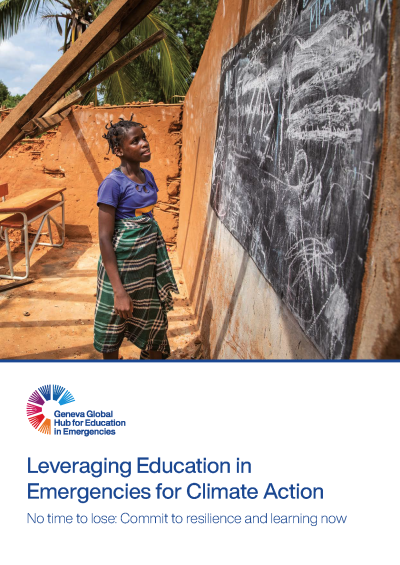
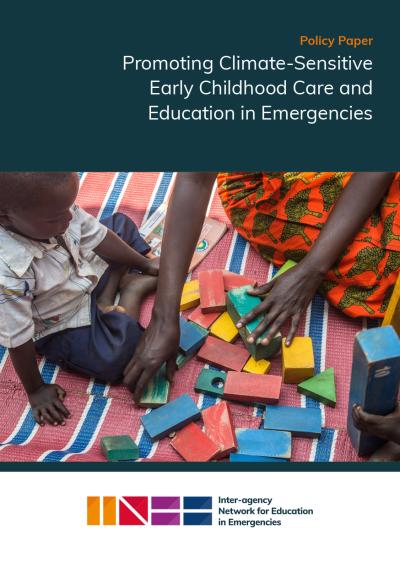
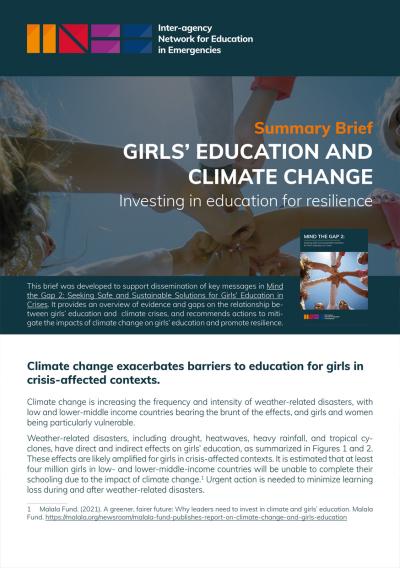
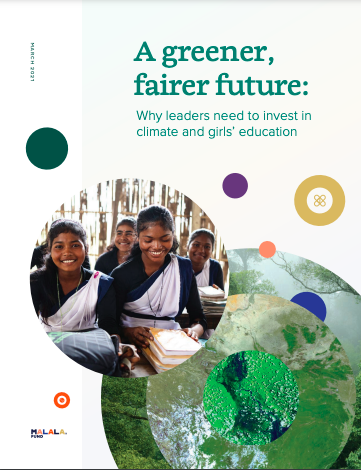
The climate crisis is an increasing threat to the right to education for children and young people across the globe. Climate-related hazards and shocks, such as drought, heatwaves, wildfires, tropical storms, air pollution, and flooding, may keep children and young people out of school and significantly impact their educational attainment, as well as their overall health and wellbeing. These natural hazards, shocks, and extreme weather events often damage or destroy education infrastructure and displace learners and teachers. The climate crisis also increases the likelihood of and vulnerability to slow-onset disasters and environmental degradation, which may have economic impacts on families’ ability to support their children or afford school fees. This may lead children and young people to drop out of school permanently so they can work to help support their families. Rates of early marriage, early pregnancy, and gender-based violence also often rise during climate-related crises. The climate crisis has a disproportionate effect on the children and young people already facing inequality and discrimination, including women and girls, persons with disabilities, members of indigenous communities, and others. Meanwhile, chronic poverty, systemic racism, and legacies of colonialism continue to increase marginalized groups’ vulnerability to the climate crisis. This makes the need to address the effects of climate change on education even more urgent, especially during emergencies.
Adaptation and mitigation measures that prioritize equity, social justice, climate justice, and rights-based approaches, such as providing quality EiE, can advance climate resilience, support transformation change, and lead to sustainable outcomes for communities. Crisis-sensitive planning and disaster risk reduction can lessen the impact climate shocks have on education infrastructure and access and make education systems more resilient. TVET and skills building can prepare young people to participate in sustainable and environment-friendly economies. EiE helps at-risk children and young people, and those affected by crises to develop skills that can increase their resilience. EiE can also enable children and young people to become part of climate change solutions by helping them understand and address the impact of the climate crisis and by equipping them with the knowledge, skills, values, and attitudes they need to act as agents of change.
This collection was curated by the INEE Secretariat. To suggest resources or edits, contact [email protected].