


What’s Next for EiE: In conversation with Emma Gremley
 With global crises on the rise and traditional donor funding shrinking, it’s more important than ever to rethink how we support education in emergencies. In response, INEE jointly with Education in Emergencies (EiE) stakeholders is convening a series of national, regional and global discussions to reflect on What’s Next for the education sector and specifically EiE. What’s Next involves a strategic rethinking of EiE delivery mechanisms and is about reimagining the education sector as one that is led by local actors, who are less reliant on traditional donors, and offering a fresh perspective of what EiE can look like in practice.
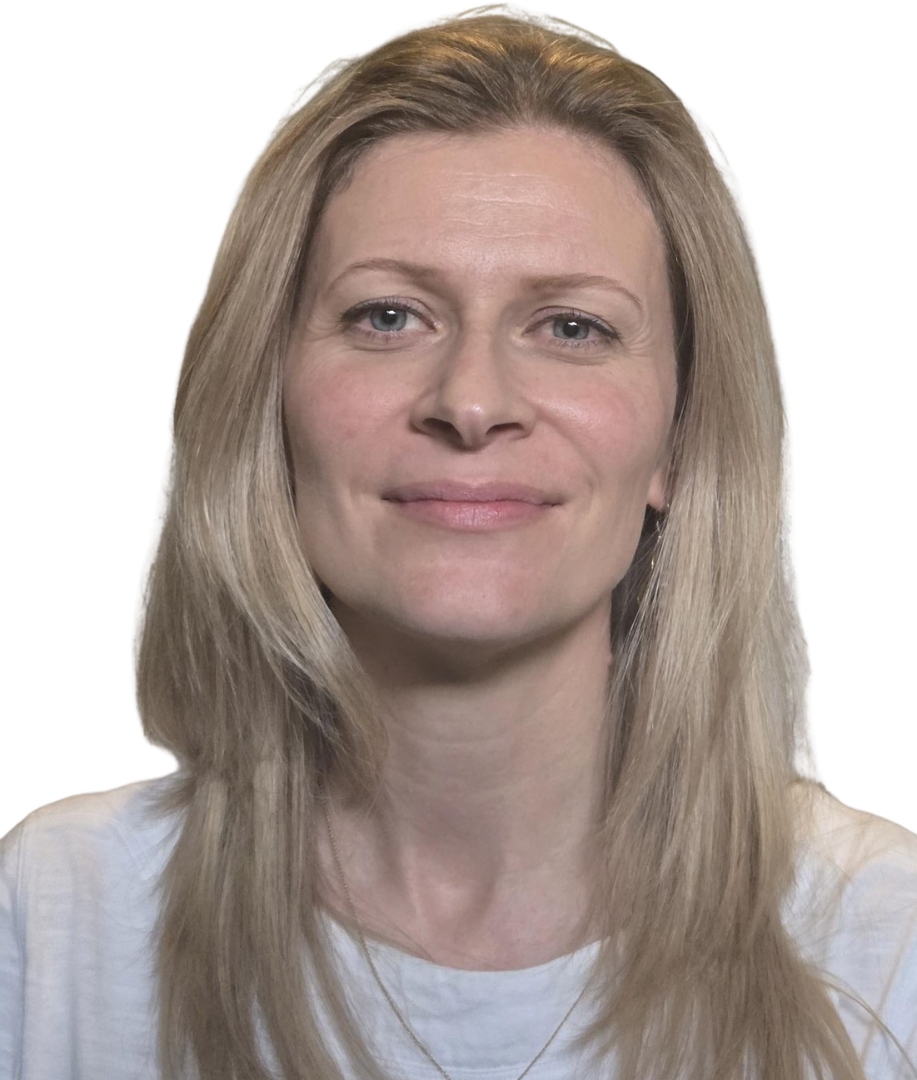
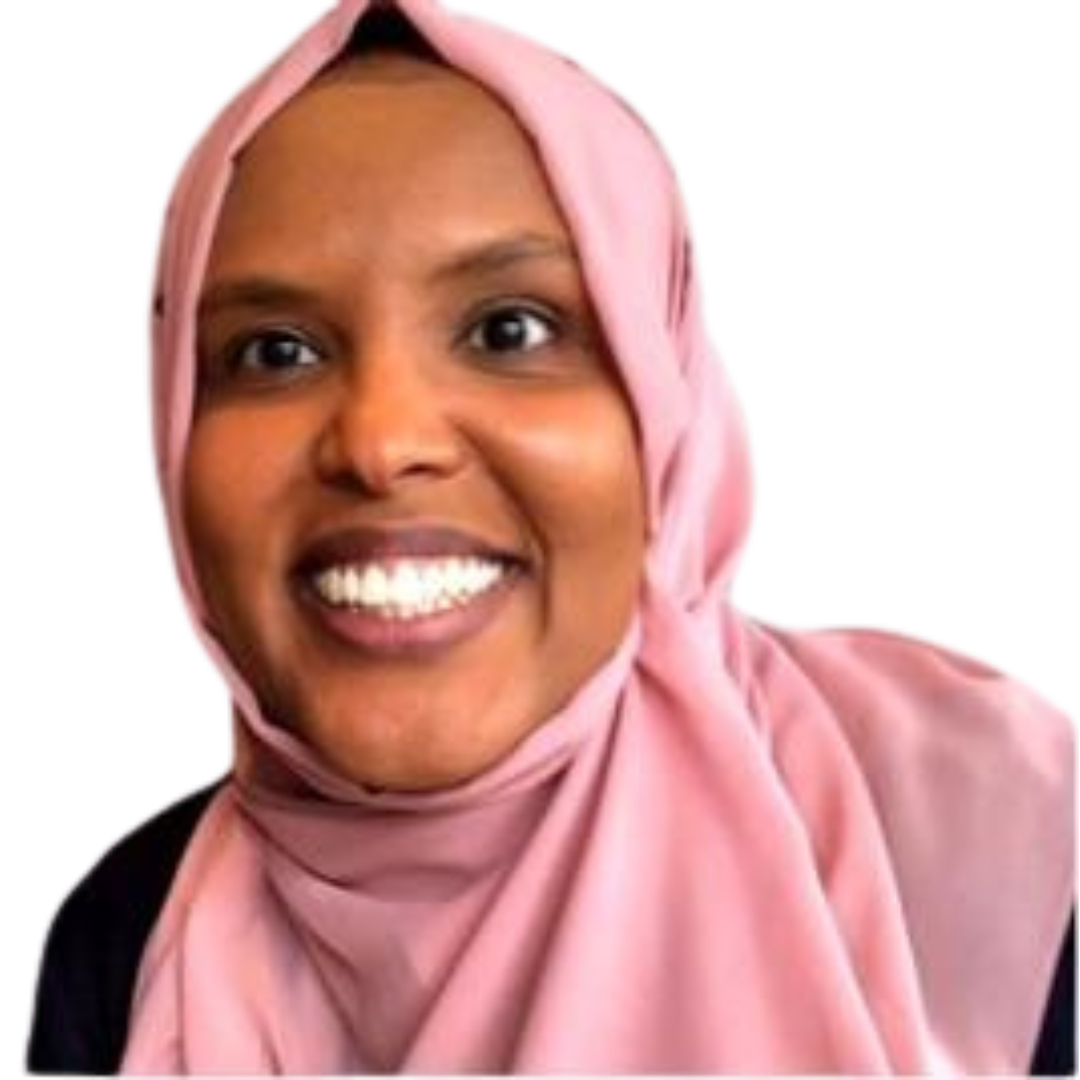
In this conversation, Emma Gremley, Senior Director Education, Economic Recovery and Development at the International Rescue Committee and Faiza Hassan, Director of INEE, reflect on what meaningful change in the EiE sector could look like.
What’s Next for EiE?
Faiza: Hi Emma, it’s great to connect with you on this important topic. Across the sector there is a growing recognition that the old ways of working are no longer fit for purpose. From your perspective, what could the future of EiE look like?
Emma: Thanks, Faiza. For me, the future of EiE starts with remembering why this work matters. Time and again, in every crisis—from conflict to earthquakes to pandemics—children and young people consistently ask for education. It’s what families want: not just survival, but hope and the chance to rebuild. In 2016, the humanitarian community committed to being Accountable to Affected Populations, yet we continue to underdeliver on that promise when it comes to education. The funding tells the story—education remains one of the least funded sectors in humanitarian response.
As funding shrinks further, we’re being forced to confront what we’ve known for years: the current models are too fragmented, too slow and often don’t deliver real learning for children. That has to change.
We need to focus on building systems that are shock-responsive, financially resilient, and locally led. The goal is to support national and community education systems so that they can respond effectively to crises. The role of the international community should be to support and strengthen those systems, and only step in to directly deliver when systems can’t—or won’t—respond. That’s especially important in the current context, where aid budgets are shrinking and support to large-scale service delivery is increasingly untenable. In all responses we need to focus on quality. Keeping children safe and well during a crisis is vital but it’s not enough. We need to also ensure they learn so they have a brighter future.
We need to do better at aligning EiE with climate and disaster risk agendas. Right now, education receives only a fraction of global climate finance—about 0.001%—and that’s just not acceptable. If we can show that education systems can deliver during crises, they’ll be better positioned to attract the kinds of long-term investment the sector desperately needs.
Whether that’s integrating disaster risk financing (DRF) into education planning, like we’re starting to see in countries such as the Philippines and Haiti, or using pre-arranged financing models that deliver funding when schools need it most—these innovations aren't theoretical anymore. They're possible, scalable, and essential.
Reforming the EiE Architecture
Faiza: Often we focus too much on tweaking existing structures instead of asking whether these structures are still fit for purpose. How do you think the global EiE architecture needs to evolve to meet this moment of change?
Emma: That’s a great question though not easy to answer! The current architecture is still too focused on responding after the fact, and it’s not doing enough to strengthen education systems before crises hit. We need to redesign the architecture to support prevention, preparedness, and resilience, not just response.
There are some promising models out there. The idea of hardwiring disaster risk financing into education sector plans, as seen in Haiti’s post-Matthew recovery, shows how education systems can use tools like parametric insurance or contingency funds to respond faster and more effectively. Similarly, Pakistan’s integration of education into national climate adaptation plans is a sign of what’s possible when ministries are empowered and disaster risk finance is built into sector budgeting.
Globally, we need to create greater alignment between education finance, climate finance, and disaster response. That means rethinking coordination, reducing duplication across actors, and empowering national education authorities to lead with the right tools and partnerships.
And we need to take a hard look at ourselves as a sector. When we create new institutions or programs, we need to be crystal clear on what gap we’re filling. If we can’t answer that, we need to have the humility to step back—even if it means our organisations shrink, merge, or wind down altogether. Look at what’s happening in global health right now—well-established funds are struggling to replenish. Education has two global funds up for replenishment next year, and we should be asking ourselves: how are we preparing for that challenge? What’s the value proposition we’re putting forward?
We also need to be more connected to wider shifts in the humanitarian and development space and more integrated in our approaches. Ensuring we deliver more holistic responses through integrated approaches, for example, ensuring vaccination programs also deliver ECD, is both effective and efficient.Getting education to the table in global efforts like Mission 300 and the World Bank’s Jobs Agenda isn’t a nice-to-have—it’s essential.
Moving from tokenism to true localization
Faiza: Thanks Emma. As donor funding declines, localization is being discussed as the default answer. But the term means different things to different people. In many contexts, localization still means subcontracting to local actors rather than shifting decision-making power. What would it take to move from tokenism to real leadership by local and national organizations?
Emma: This is such a critical point. Localization must mean ownership, not just implementation. It’s not enough to “involve” local actors—they must have the power to design programs, set priorities, and access financing directly.
For that to happen, we need to redesign funding models. For example, the idea of education-specific risk pools, like those being explored for humanitarian settings, could channel resources to local actors based on agreed triggers and contingency plans. These tools work best when designed with and for local responders. Community-centered mechanisms can work when paired with direct funding and accountability.
We also need to reduce the technical and bureaucratic barriers that exclude local organizations from leading – and that’s true at all levels, from donors (public and private), the UN and INGOs. It includes building financial and operational capacity, but also trusting that local leaders know what their communities need.
And we need to stop treating local actors as just ‘context providers’. Local organisations bring not just knowledge, but real solutions—and yet they’re rarely resourced to measure or scale them. We can change that. For instance, by supporting their monitoring and evaluation capacity, we give them the tools to show impact, access funding, and lead on innovation. And there’s a host of untapped potential for collaboration through diaspora communities too – many of whom are major supporters of education and who could be vital partners and champions of efforts to improve education for communities in crises.
Transforming the EiE delivery model
Faiza: As we talk about resilience and sustainability, how can we as a sector support a shift toward transformative EiE?
Emma: It starts with acknowledging that education systems everywhere—not just in conflict zones—are now routinely disrupted by crises. Interrupted education is no longer an anomaly. It’s becoming the norm. COVID made that clear, but so too do extreme weather events which are increasingly common. So we need to stop separating ‘education’ from ‘EiE’. Foundational learning is the building block for education and should be the goal for ALL children, not just for those in ‘stable’ settings.
To do so we need to get smarter with the full spectrum of financing available. Philanthropy can’t plug the gap left by declining ODA, but it can play a catalytic role—by being more risk-tolerant, more evidence-driven, and more collaborative with the wider ecosystem. And bilateral donors with shrinking grant budgets could lean more on guarantees to bring in private and philanthropic finance. We have the tools—we’re just not using them to their full potential.
That’s where things like shock-responsive financing, remote learning systems, and strong social protection come in. But critically, these tools need to be embedded in national systems. Let’s remind ourselves where most education spending comes from: national governments and households. Not donors. So how are we engaging those actors in the joint endeavor to make the most of their investments. We should be looking to models that not only respond to crises but also help systems withstand future ones. For example, shock-responsive financing tools like IRC’s CREST or UNICEF’s Today and Tomorrow Initiative show how we can deliver support swiftly and in ways that align with national systems. And the idea of education-specific disaster risk pools—where funds are released automatically when certain thresholds are triggered—is another powerful approach. These aren’t distant possibilities; they’re models we can scale now. The climate crisis and more frequent natural disasters mean this work is no longer optional. We need to design for disruption and build with resilience in mind.
Final Reflections
Faiza: Thank you, Emma, for this rich and timely conversation. Any final thoughts?
Emma: Yes, I want to acknowledge this is an incredibly challenging moment for everyone involved in our sector and I strongly believe we’re all engaged in this work because we care deeply about the children and communities we serve. But we have to stop clinging to the status quo just because it’s familiar. We have solutions. They exist across governments, INGOs, and communities. But we won’t scale them unless we loosen our organisational hats, share what works and collaborate.
That means celebrating when others use your tools. It means being willing to serve the collective good of the sector rather than protecting your own brand. We won’t move forward in silos. And with the stakes as high as they are—for children, for communities—we simply can’t afford not to get this right.
What’s Next for EiE?
We want to hear from you! With traditional donor funding shrinking, it’s more important than ever to rethink how we support education in emergencies. How have the recent funding cuts impacted education service delivery in your context? How do you see education in emergencies evolving? And how can we continue ensuring access to quality education for all children without relying so heavily on traditional donor funding? What are your hopes, aspirations, and plans?
Join an in-person or virtual INEE Meet-Up and share your insights. Looking forward to hearing from you!