


Tax Justice and Education Financing Reform: A Conversation Between David Archer and Faiza Hassan
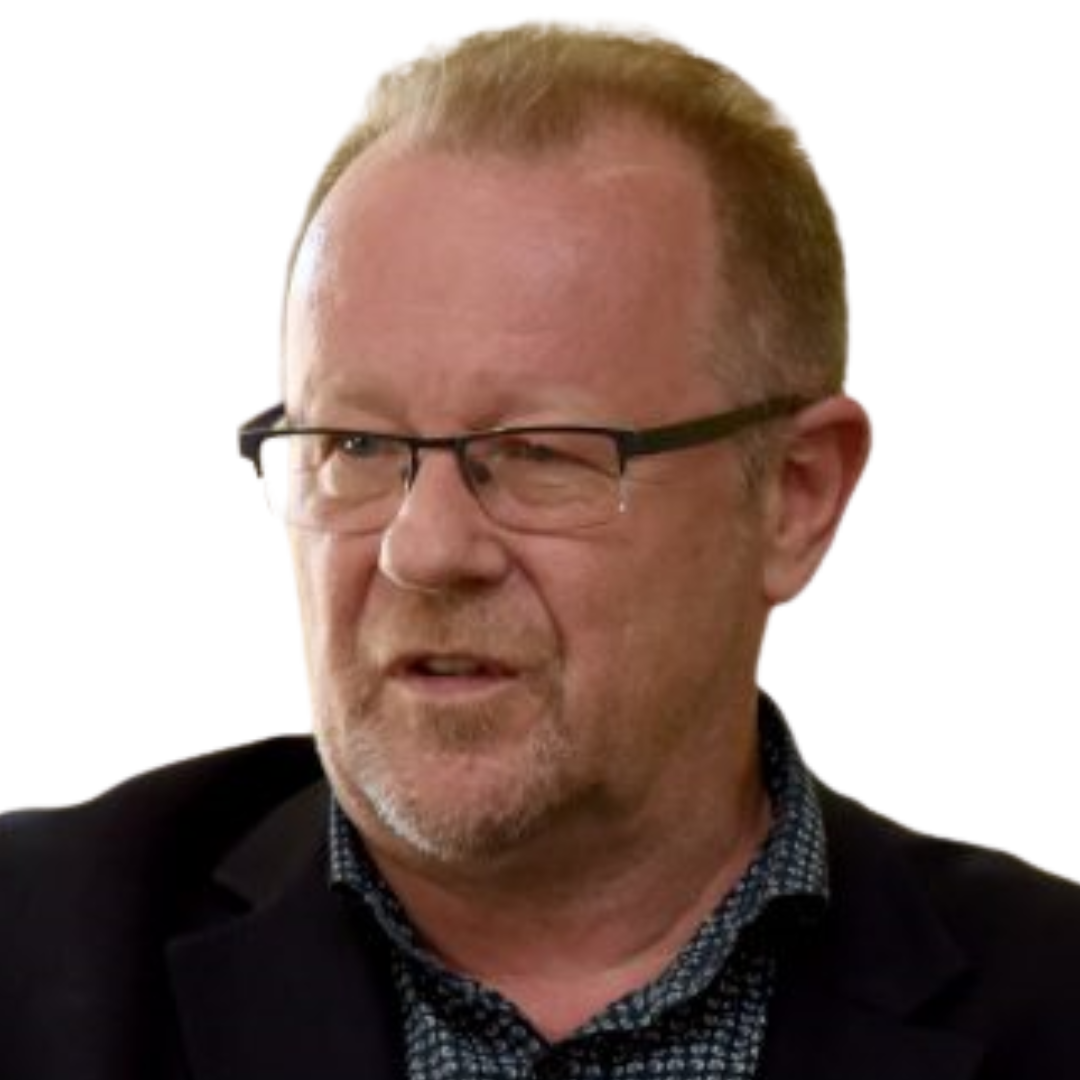
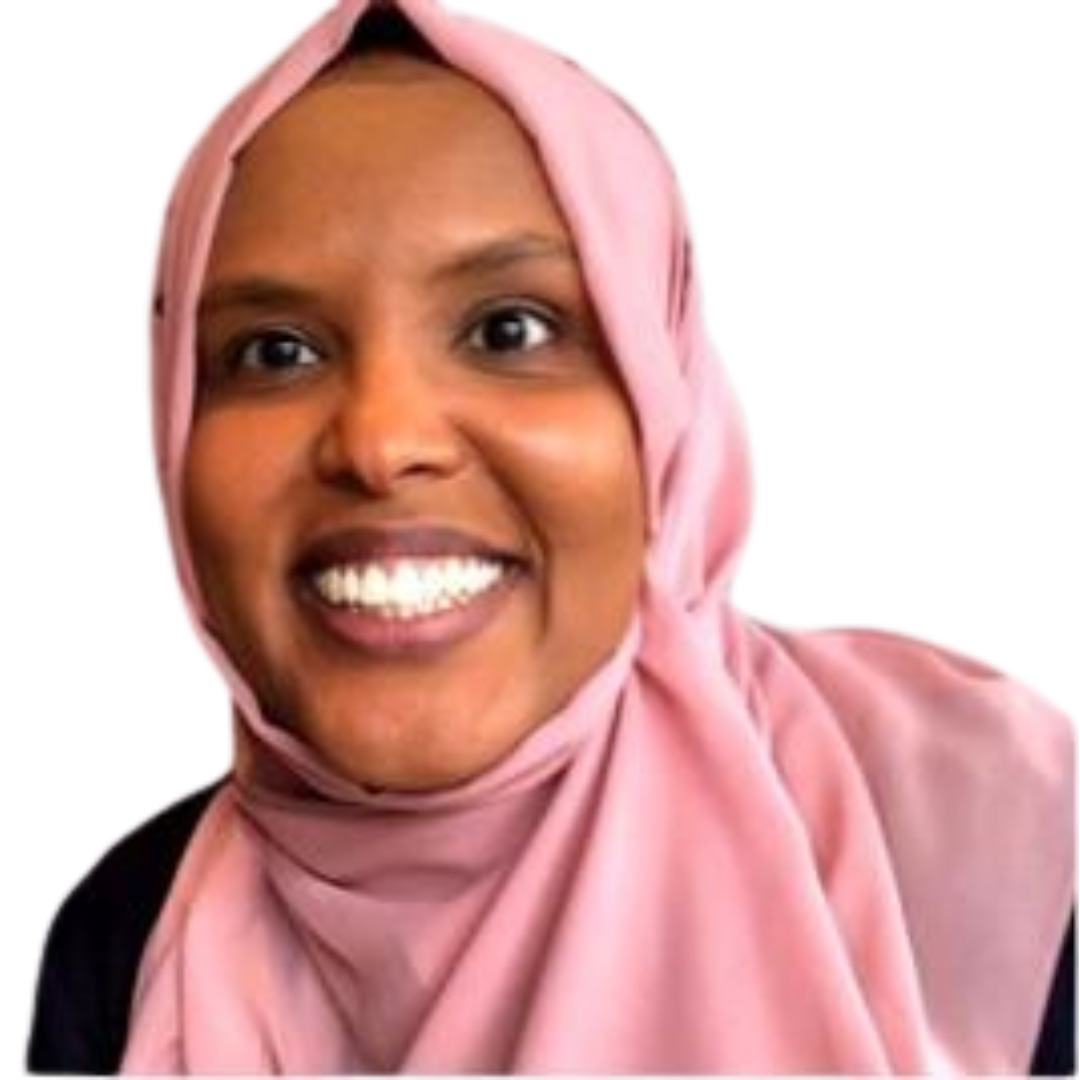 With global crises on the rise and traditional donor funding shrinking, it’s more important than ever to rethink how we support education in emergencies. In response, INEE jointly with EiE stakeholders is convening a series of national, regional and global discussions to reflect on What’s Next for the education sector and specifically Education in Emergencies (EiE). What’s Next involves a strategic rethinking of EiE delivery mechanisms and is about reimagining the education sector as one that is led by local actors, who are less reliant on traditional donors, and offering a fresh perspective of what EiE can look like in practice.
In this conversation, David Archer, ActionAid’s Head of Programmes and Influencing, and Faiza Hassan, Director of INEE, reflect on the role of education financing, tax reform, and tax and debt justice in building more sustainable, equitable education systems, especially in crisis-affected and low-income contexts. They explore how systemic reforms can reduce reliance on aid, free up domestic resources, and ensure that education is protected and prioritized even during emergencies.
Faiza: Hi David, it’s great to connect with you on this important conversation. We are facing so many critical shifts right now, and while the challenges are growing, I think there’s also an opportunity for us to rethink how we approach the work that we do. Let us start with: what are your thoughts on what’s next for EiE and the broader education sector?
David: Thanks Faiza, I am very pleased to connect with you on these crucial issues! With aid declining and increasingly focused on the trade and security interests of donors, and with 84% of low- and lower-middle income countries in debt crisis or at significant risk of debt crisis, we all need to think differently about education financing. Short term, unpredictable, project-based and conditioned aid and loans have always presented a challenge for education which requires long term and sustainable financing, particularly to cover the most important costs like teacher salaries. On financing issues, the path forward was laid out in the Finance Call to Action from the UN Heads of State Transforming Education Summit in 2022, which urged everyone to focus more on domestic resource mobilisation, taking national and international action to address tax justice and debt justice and to pursue alternatives to austerity.
Tax reform and the impact of debt on education systems
Faiza: With traditional donor funding shrinking, I wonder how tax reform and domestic resource mobilization reshape the future of education in emergencies and the broader education sector?
David: In my view public education systems are facing an emergency almost everywhere because of decades of chronic underfunding. The education community has long argued for countries to dedicate 20% of their national budgets to education – and this is an important benchmark which some states still fall very short of, notably Pakistan and Nigeria who spend under 10% and have the most children out of school. But many countries do spend 20% of their budget on education and still lack sufficient resources because they are spending 20% of a very small overall government budget. To increase the size of budgets overall countries need to invest in ambitious and progressive tax reforms. The average low-income country has a tax to GDP ratio of 16% and even the IMF estimates most countries could increase this by five percentage points (so to an average of 21%). If this was done, countries could double their spending on education and health and some other public services. But these tax reforms must be premised on fair taxes that place the burden on the wealthiest individuals and companies, not taxes like those the IMF has been pushing (e.g. VAT) in countries like Kenya which hit the majority of the population who are struggling with the cost of living.
Faiza: Thanks David. I’d like to hear your thoughts on the impact of debt on education systems. How and why does debt impact education?
David: Over 50% of low- and lower-middle income countries are spending more on debt servicing than on education - and 54 countries are now in debt crisis. No country should have to sacrifice the education of its children to pay back often illegitimate debts to wealthy creditors. The debt crisis arises mostly from an unfair global system (where African countries on average have to pay 9.8% interest on loans – twelve times more than Germany who can borrow for 0.8%). Yet each country in debt is made to feel that it is their failure and that cutting spending on essential services like education is a reasonable punishment. Debt empowers the IMF to impose austerity, which is particularly delivered through demanding cuts or freezes to the public sector wage bill. Teachers are the largest group on the wage bill (followed by health workers), so education is profoundly affected by these policies. Countries cannot employ more teachers even if there are serious shortages, and cannot pay teachers more even if they are underpaid.
Advocating for debt reform and embedding education in long term financing frameworks
Faiza: What role can the education community play in advocating for debt reform? With debt servicing being one of the biggest squeezes on education budgets, what would a fairer, more responsible debt system look like?
David: We urgently need a collective response to the debt crisis, both leading to significant debt cancellation (wherever countries are sacrificing spending on education, health or climate responses) and a change to the global debt architecture (moving the power over debt from the IMF to the UN through a UN framework convention on sovereign debt). This is the most crucial demand at the UN Financing for Development Conference in Seville in June-July and we urgently need the global education community to be vocal in making the case for urgent action on debt and reform to the global architecture.
Faiza: In an era of shrinking aid, how can we reframe education in emergencies to focus on sustainable, locally-driven financing solutions? And can policymakers reimagine education in emergencies beyond short-term aid, embedding it within long-term, resilient financing frameworks? What are your thoughts?
David: There has been a lot of talk about localisation in the humanitarian sector and for me a big part of this is to focus on ensuring sustainable domestic financing. This does NOT absolve the international community, but it changes the role. National governments should be focused on mobilising domestic resources to finance quality public education systems (most of which are in ongoing long-term emergencies and sometimes face additional short-term emergencies). This requires action on tax, debt and austerity.
But for countries to be able to mobilise these resources nationally there need to be changes in the international systems that block domestic financing. We need fairer global tax rules, which is why we have been so pleased to see progress on a UN Framework Convention on Tax - taking global rule-making on tax away from the OECD club of rich nations. We need a fairer debt architecture, which is why we are championing a UN Framework Convention on Debt. And we need to end the cult of austerity that has been the dominant mindset of the IMF for forty years, making the case for countries to proactively invest more in education, recognising education as the soundest long-term investment they can make.
The international financial architecture, centred on the IMF and World Bank, was set up 80 years ago and remains colonial in nature – with the richest countries retaining power. It is time for all governments who care about maintaining a multilateral order to work to create a fairer order rather than defending a broken colonial order.
A sustainably financed public education system is the key for countries to be resilient in the face of new short-term emergencies. If the education system is properly funded, it will be able to adapt and respond to new crises. There may be some cases where the scale of a disaster requires external support, but the focus of such support should be on helping the public education system to respond and rebuild, not setting up parallel donor-led provision or opening the doors to privatisation as sometimes happens in emergencies at present.
Final Reflections
David: Let us break down the divisions between long-term strengthening of public education systems and short term humanitarian responses to education challenges after disasters. And let’s recognise the need to address power dynamics and power imbalances in strategic decisions that affect the overall financing of education. Let’s break the colonial mindset.
Faiza: Thank you, David, for this rich and timely conversation. As we’ve discussed, the education sector, especially in crisis-affected contexts, stands at a crossroads. The urgency of reimagining EiE is not just about adapting to shrinking aid; it’s also about building an education system that is equitable, resilient, and rooted in justice. That means rethinking how we fund education, who leads it, and what values underpin it. We must move beyond seeing education in emergencies as a short-term patchwork and instead embed it within broader systemic reforms, tied to fair taxation, responsible debt structures, and the leadership of local actors. We need to shift power, center justice, and make sustainable public education a shared global priority.
What’s Next for EiE?
We want to hear from you! With traditional donor funding shrinking, it’s more important than ever to rethink how we support education in emergencies. How have the recent funding cuts impacted education service delivery in your context? How do you see education in emergencies evolving? And how can we continue ensuring access to quality education for all children without relying so heavily on traditional donor funding? What are your hopes, aspirations, and plans?
Share your insights with us through this short survey - available in English, Arabic, French, Portuguese, and Spanish - or join a virtual Meet-Up. Looking forward to hearing from you!