


Play, Learn, Recover: Why Play is Essential in Emergencies
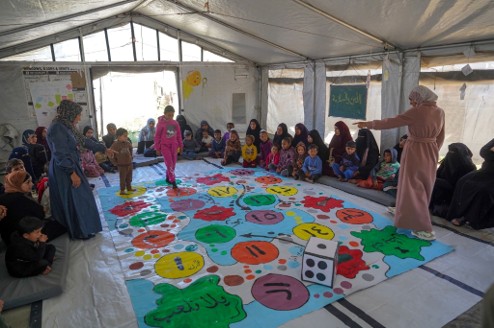
Today, June 11th, is the International Day of Play. This year's theme is "Protect Play, Protect Childhood," reminding us that around the world, children, adolescents, and young people are demonstrating extraordinary resilience in the midst of complexity, conflict, and other crises. Protecting opportunities to play is one way we can support their learning, healing, connection, and agency during these challenging times.
As we celebrate the International Day of Play for the third year, we recognize three simple truths.
First, play is what children ask for. Across contexts and crises, children consistently tell us that they want opportunities to play, connect with friends, and experience moments of joy. And yet:
- One in three children say they do not have enough time to play.
- One in five lack safe spaces to play.
- And one in five say they have no one to play with.
Second, play can enable a holistic response during emergencies. Children do not experience learning, wellbeing, and protection as separate needs. They are deeply interconnected. Play offers a powerful way to respond to all three, providing a bridge between education, psychosocial support, and protection from the earliest stages of an emergency through to longer-term recovery.
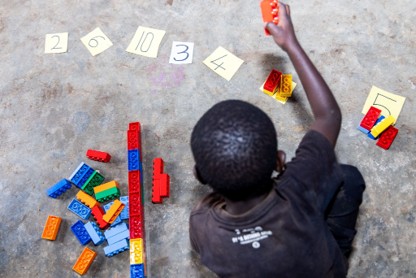
But play is only transformative when every child can participate. That means ensuring that girls, adolescents, and children with disabilities are not only included, but actively centred in how play-based approaches are designed and delivered. A recent analysis of data from 212,194 children aged 2–4 years in 38 low and middle-income countries found that children with disabilities have approximately 9% fewer play opportunities than those without disabilities.
Third, play works. The evidence base for play-based interventions continues to grow, demonstrating positive impacts on children's learning, wellbeing, and development, even in some of the world's most challenging environments. For example, play-based early childhood education can increase learning by the equivalent of four additional months of schooling. A recent synthesis of 42 studies on learning through play in conflict and crisis settings found promising evidence for improvements in wellbeing, classroom climate, participation, and holistic learning outcomes,
What does this look like in practice? There is no single model for play in emergencies. Play can be integrated into parenting programmes, teacher training, recreational time, and classroom activities, or take the form of storytelling, drama, music, sports, games, and creative expression. What we continue to see across contexts is that the most meaningful approaches are often those that are rooted in local culture and community traditions. Traditional games, songs, stories, and forms of play carry knowledge, identity, and connection across generations. When play builds on what children and communities already know and value, it becomes not only more engaging, but more relevant, inclusive, and impactful.
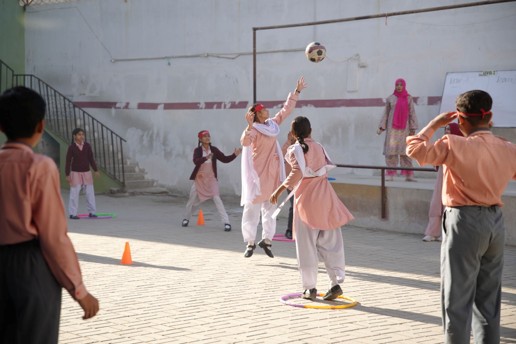
While conversations about play often focus on younger children, it is equally important to consider adolescents and young people. In many humanitarian settings, adolescents are at risk of being overlooked as they navigate increasing responsibilities, disrupted education, economic pressures, and protection risks. Yet their right to play, recreation, and positive social connection remains just as important. Safe, structured opportunities for play, sport, creativity, and self-expression can provide protection, strengthen wellbeing, and foster leadership and agency. We have seen this particularly among adolescent girls, for whom participation in sports and other group activities can create spaces for confidence, belonging, and empowerment, while offering positive alternatives to exploitation, violence, social isolation, and other risks that increase during times of crisis.
About the Authors:
The Learning through Play in Emergencies Reference Group is a growing group of practitioners, policy-makers, and researchers who have a shared commitment across the humanitarian sector to elevate play as a critical component of education in emergencies. By bringing together diverse partners to exchange evidence, learning, and practical experience, the group aims to ensure that more children and young people can access the benefits of play when they need them most.