


When Art Becomes Emergency Education: The Pre-Texts in Emergency Protocol from Ukraine to Chad
In contexts of war and humanitarian crisis, education is often among the first systems to collapse. Schools close, communities fragment, and children are left without safe spaces for learning or emotional support. Yet education in emergencies is not a secondary intervention—it is a form of protection, a way to restore dignity, and a critical component of mental health and social resilience.
Within this perspective, Pre-Texts in Emergency (PiE) is emerging as an innovative arts-based educational approach designed for crisis settings. The protocol adapts the Pre-Texts method developed at Harvard University by Doris Sommer, transforming reading into a collective artistic process that encourages participants to reinterpret texts through drawing, theatre, movement, music, or symbolic objects.
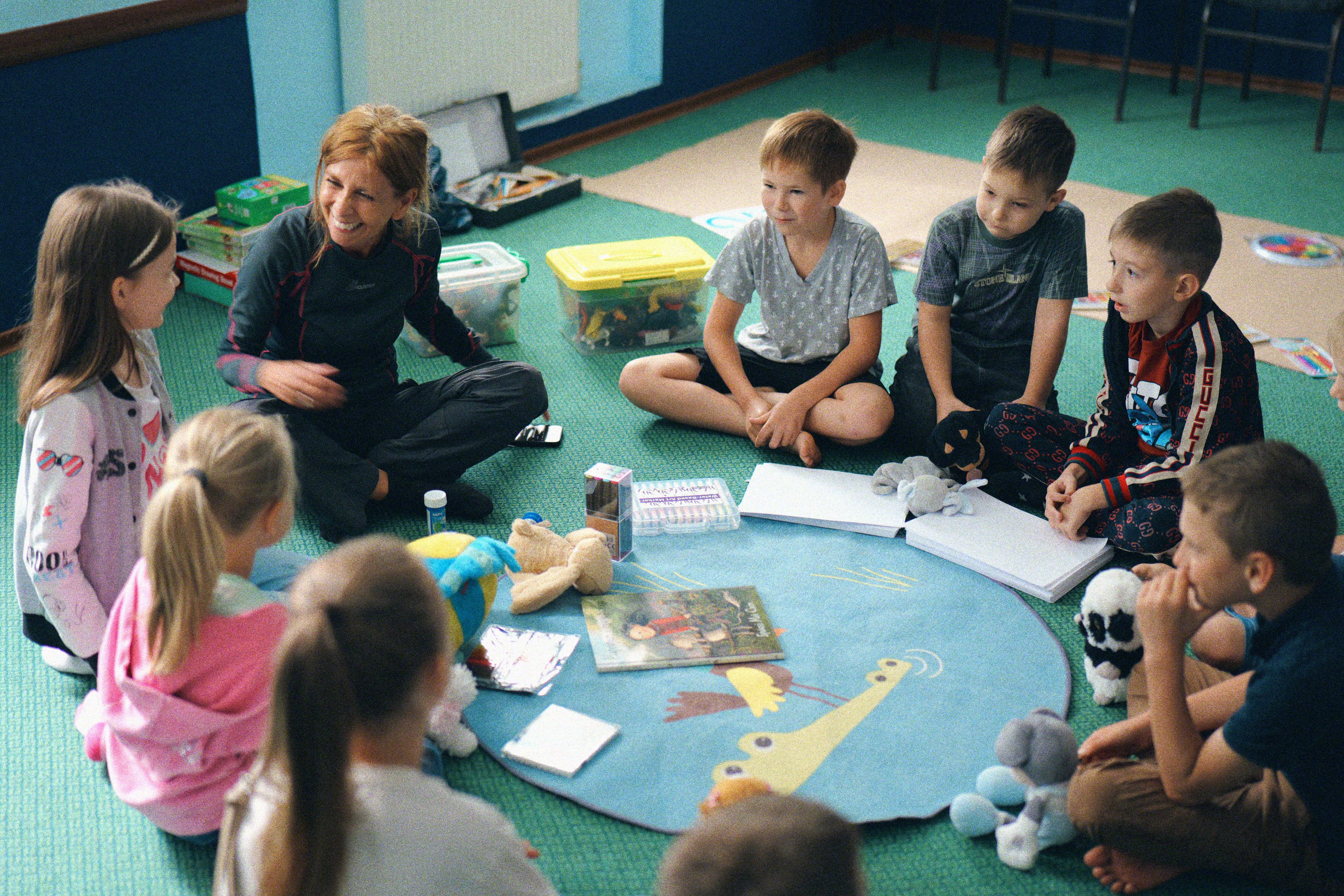
The Pre-Texts Protocol method is intentionally simple and structured. Each session follows a predictable sequence: an opening circle to establish a safe space, the reading of a text, a collaborative creative transformation, and a final moment of sharing and reflection. In emergency contexts, this ritualized structure helps rebuild routine and psychological safety, while artistic mediation allows participants to express emotions symbolically without being forced to verbalize traumatic experiences.
Rather than positioning participants as passive recipients of aid, Pre-Texts invites them to become authors, interpreters, and co-creators, restoring agency and collective participation.
Importantly, this approach is not only pedagogical but also supported by clinical scientific research. A pilot study led by Pierluigi Sacco, Doris Sommer et al. demonstrated that participation in Pre-Texts activities significantly reduced levels of anxiety and depression among adolescents with moderate to severe mental health conditions living in informal settlements in Nairobi. The study, published in The Lancet (Osborn et al., 2023), provides evidence of the impact of arts-based educational practices on mental health and psychosocial well-being.
From Kharkiv: Culture as Care in Wartime
One of the first applications of Pre-Texts in Emergency in a war context has taken place in Kharkiv, Ukraine, a city deeply affected by the ongoing conflict.
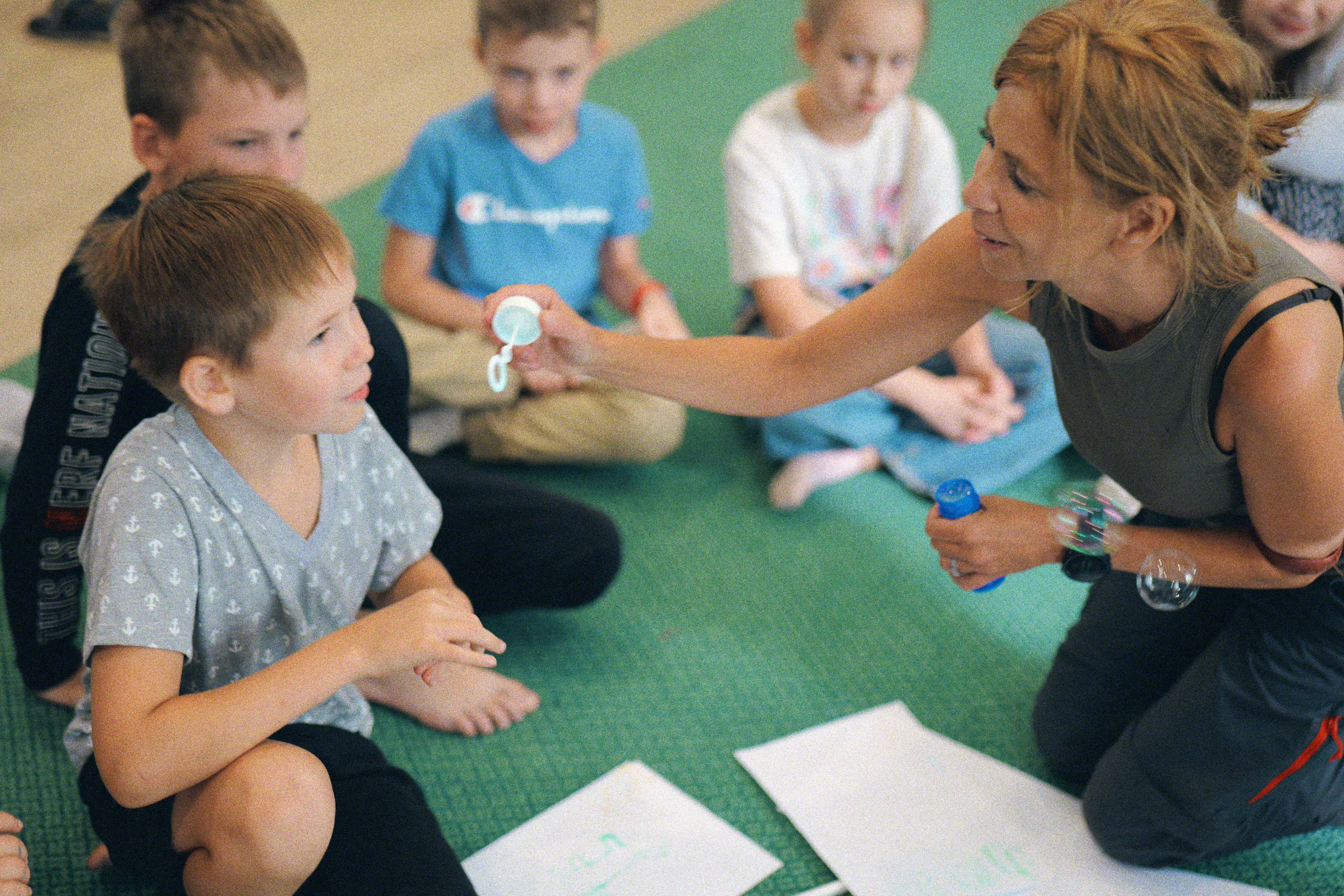
Field activities and research have been conducted by Sara Uboldi (University G. d’Annunzio of Chieti-Pescara) under the scientific direction of Professor Pierluigi Sacco, in collaboration with Svit ta Ukrayina, local partners, and humanitarian networks. Workshops have involved children and young people living under constant stress due to air-raid alerts, displacement, and interrupted schooling.
In such contexts, cultural participation can become a form of care. Creative collective activities create shared symbolic spaces where fear and uncertainty can be transformed through imagination, storytelling, and artistic expression.
Reflecting on this pilot experience, Pierluigi Sacco has described how culture can act as a therapeutic infrastructure during wartime, helping communities process trauma and rebuild social connections.
His reflection on the Kharkiv experience can be read here.
Extending the Model: A Mission in Chad
Building on the Ukrainian experience, a new Pre-Texts in Emergency mission is planned in Abougudam refugee camp in eastern Chad, near the border with Sudan.
The ongoing conflict in Sudan has generated one of the largest displacement crises in Africa, forcing millions of people to flee across borders. Camps in eastern Chad host large numbers of refugees, mostly women and children, living in precarious conditions and with limited access to education and psychosocial services.
The intervention will be implemented in collaboration
with SSWA – Support Survivors of African Wars, an organization of the Sudanese diaspora that plays a crucial role in connecting humanitarian initiatives with refugee communities.
The pilot activities will focus particularly on children up to the age of thirteen, one of the groups most exposed to the long-term psychological consequences of displacement and conflict. Workshops will combine creative educational sessions with the distribution of Pre-Texts in Emergency kits, containing artistic materials and educational resources designed to support safe and participatory learning environments.
The objective is not only to provide immediate psychosocial support but also to test a replicable model of education in emergencies that can be adapted to other refugee camps and crisis contexts.
A Manifesto for Education as Care
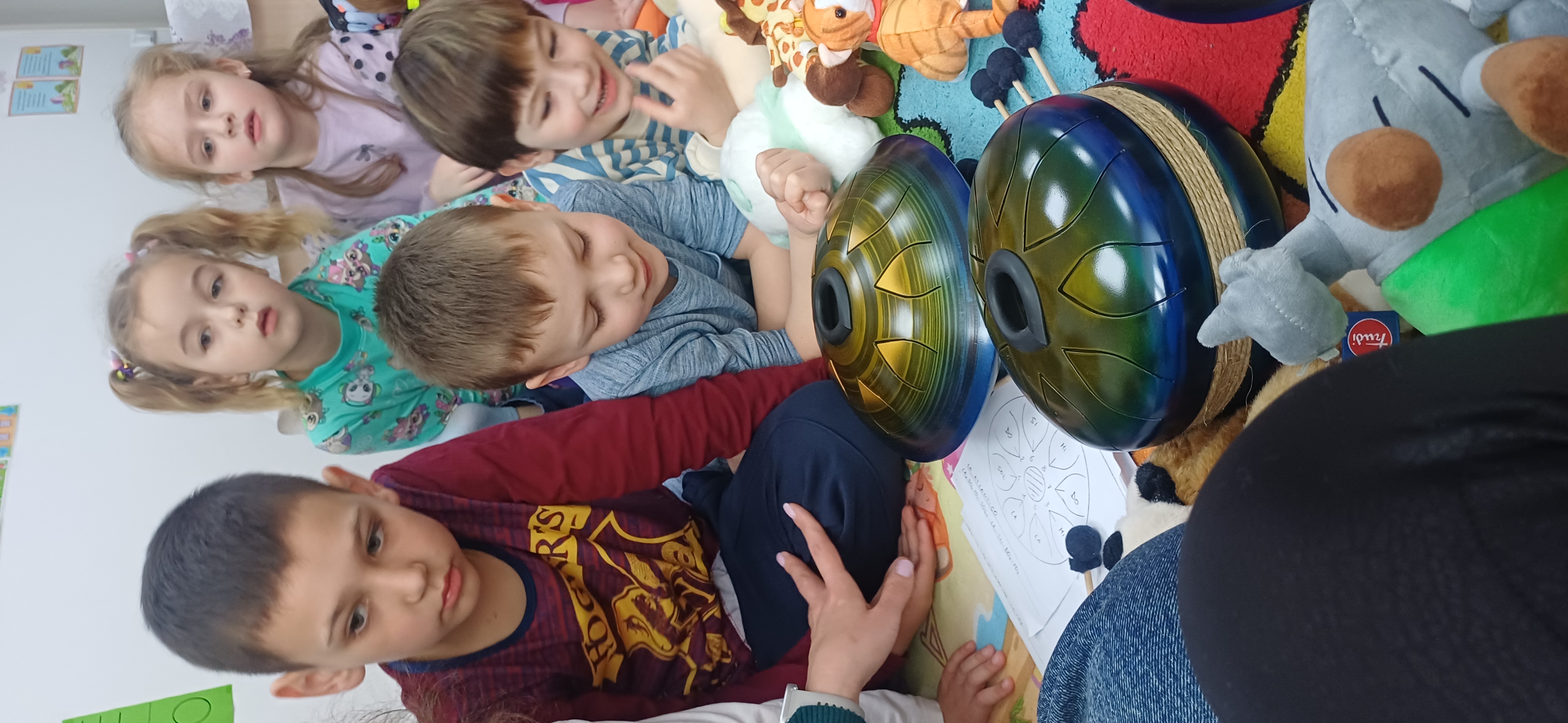 The experiences in Ukraine and Chad are part of a broader international effort to develop Pre-Texts in Emergency as a framework for arts-based education in crisis settings. This growing network brings together institutions including the University G. d’Annunzio of Chieti-Pescara, Harvard’s Cultural Agents initiative led by Doris Sommer, and the CCW Cultural Welfare Center, particularly through the work of its president Caterina Seia.
Together, these partners are promoting a Manifesto for Pre-Texts in Emergency, which calls for recognizing creativity, cultural participation, and community-based learning as essential components of humanitarian response.
In contexts where schools are disrupted, trauma widespread, and social structures fragile, education must go beyond instruction. It must become a practice of protection, healing, and collective resilience, capable of restoring dignity and hope even in the most fragile environments.
About the Author
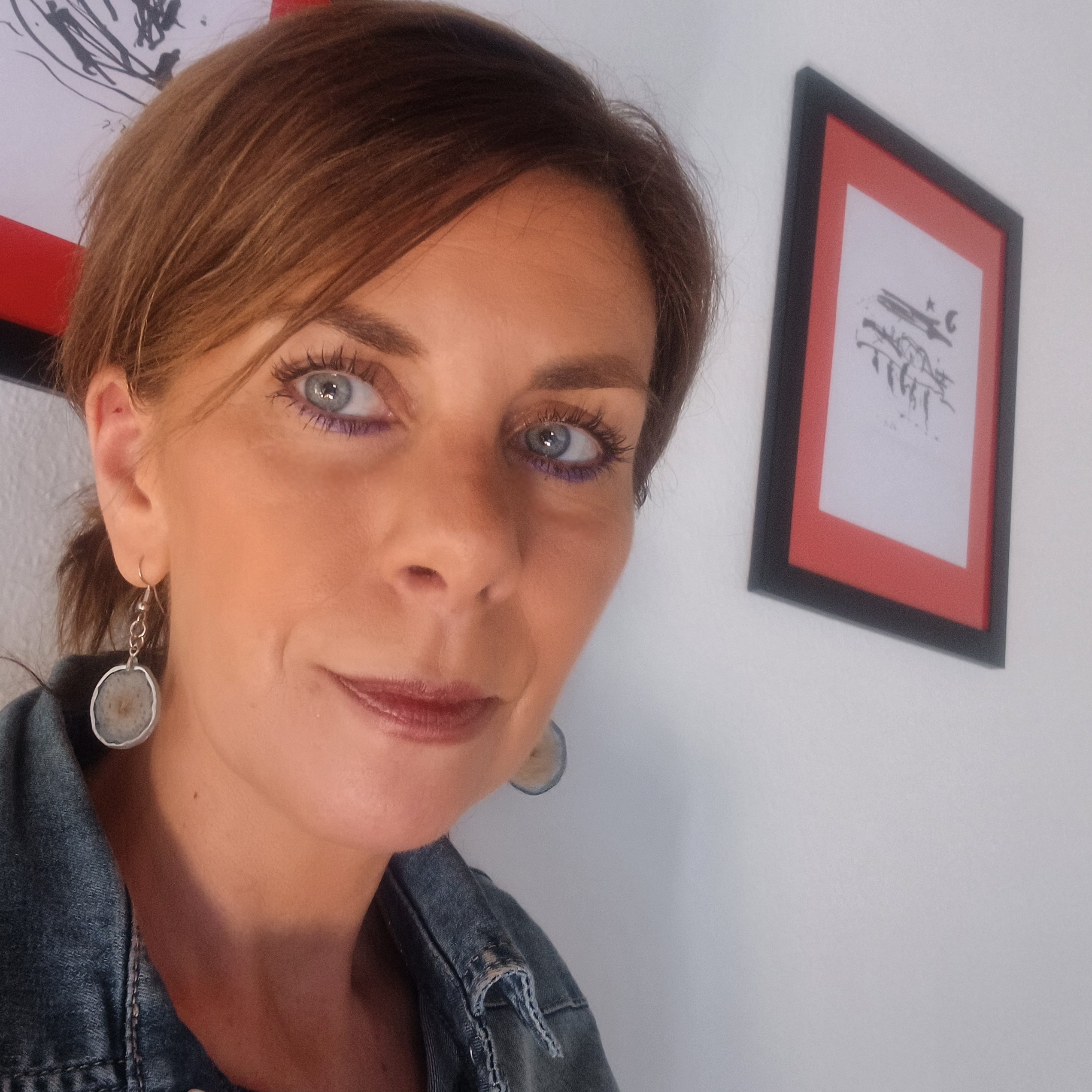 Sara Uboldi, PhD, conducts research at the University G. d’Annunzio of Chieti-Pescara and at the CCW – Cultural Welfare Center in Turin, Italy. Trained by Doris Sommer at Harvard University as a Pre-Texts facilitator, she has contributed to the development of Pre-Texts in Emergency, adapting the Harvard protocol to contexts of war, displacement, and humanitarian crisis through arts-based educational interventions supporting mental health and education in emergencies