


What Happened to Girls’ Education? The Quiet Erosion of a Global Priority
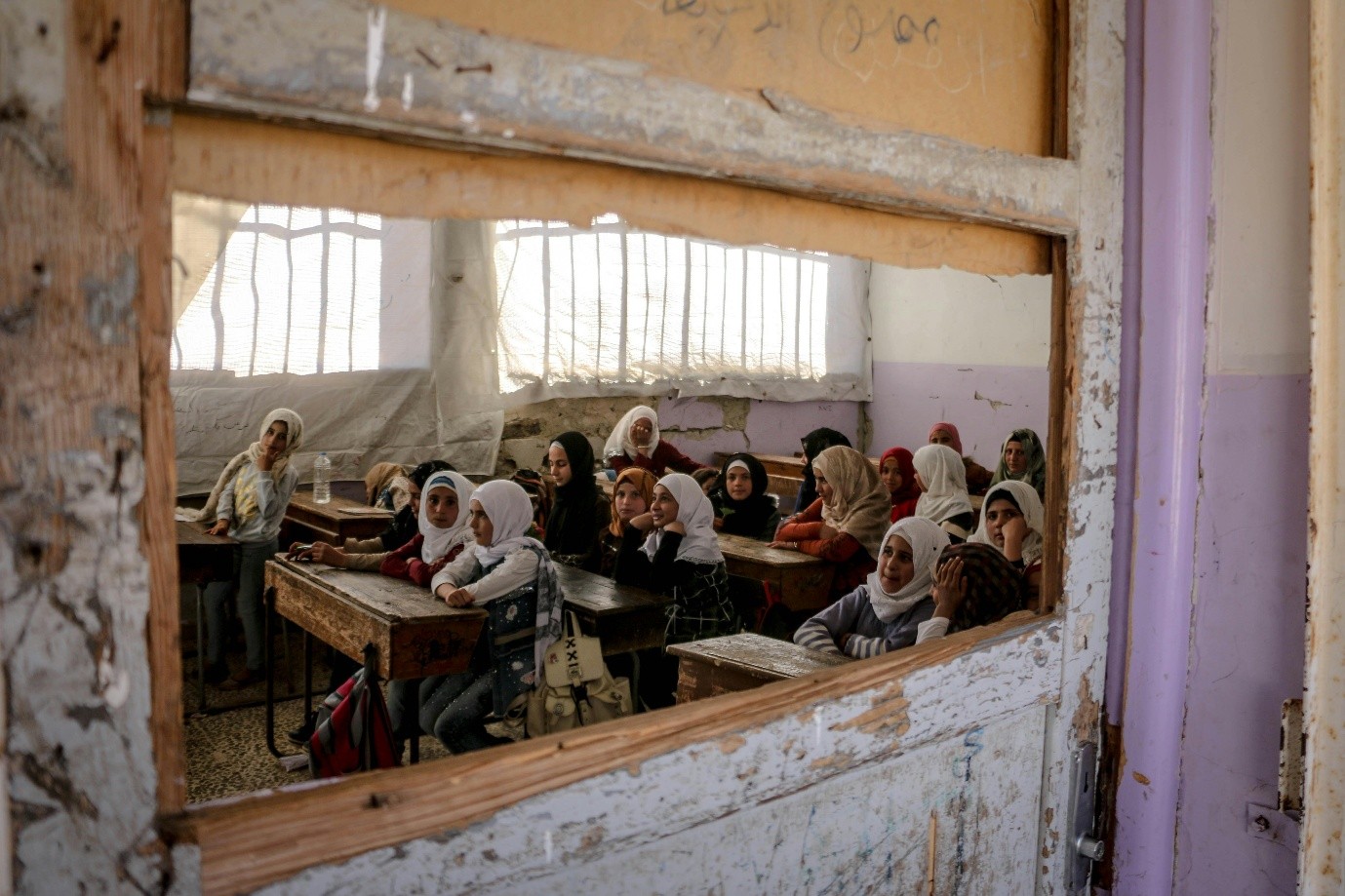
A decade ago, girls' education sat at the centre of international development. It was difficult to attend a major education conference, donor meeting or global summit without hearing commitments to girls' learning. Governments competed to demonstrate leadership. New funding streams emerged. Large-scale programmes were launched. Champions spoke confidently about transforming the lives of millions of girls.
Today, the mood is very different.
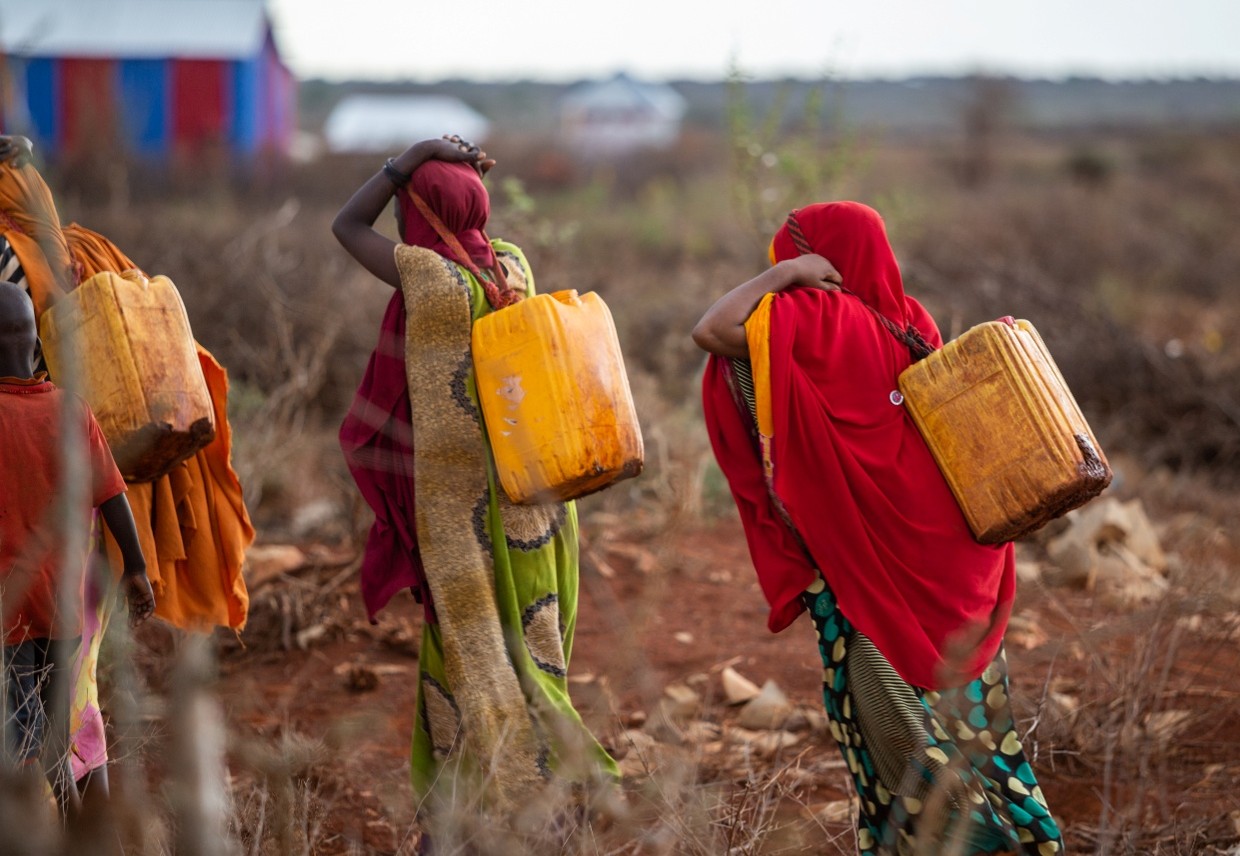
At a time when nearly 133 million girls remain out of school and millions more face harmful gender norms that limit their learning, support for girls' education is receding. Whilst this is often explained by shrinking aid budgets, funding tells only part of the story. The decline of girls' education is the result of deeper political, symbolic and discursive shifts, which have coincided with, and have often resulted in, reduced funding. These powerful forces once propelled girls' education to the forefront of international development but now as they recede, they are pushing it off the agenda at a remarkable speed.
When the stars aligned
Over a decade ago, these same forces were aligned. Financially, investment was growing. In the US, the Obamas spearheaded the Let Girls Learn initiative. In the UK, the Girls' Education Challenge spanned £855m, 12 years and 17 countries. Such programmes reflected both the ambition and confidence of the period. Girls' education was no longer an afterthought - it was a flagship development priority.
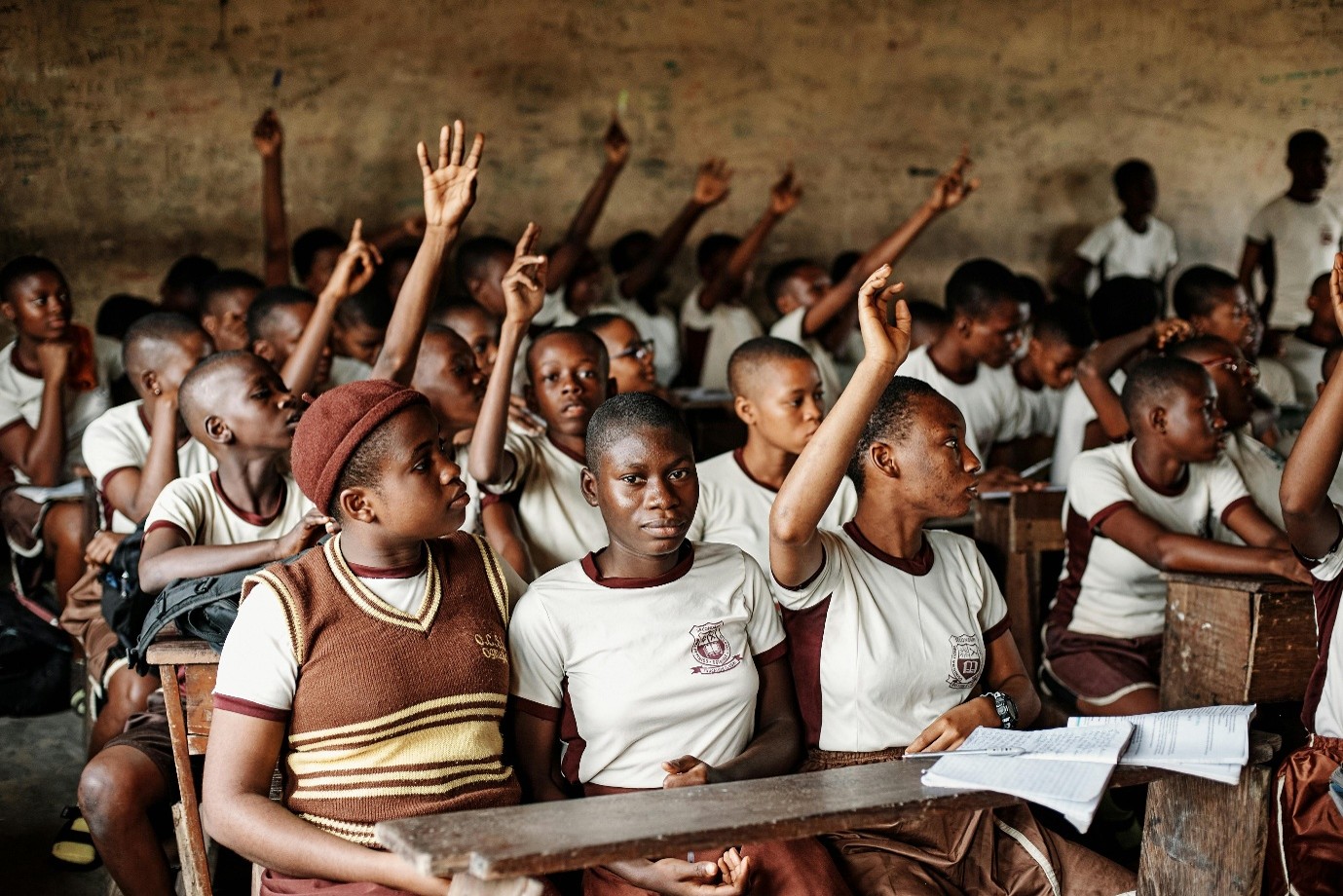
Symbolically, girls' education enjoyed an unprecedented level of political visibility. In the UK, girls’ education had high-profile champions amongst Prime Ministers and Special Envoys. FCDO's Education Cadre sat within the ‘Girls' Education Department’ - a telling signal that institutionally, 'education' and 'girls' education' were synonymous. Globally, the UN’s dedicated Girls’ Education Initiative (UNGEI), drove leadership on girls’ education across the global development agenda. Such attention and clout resulted in girls’ education featuring prominently in G7 commitments, Women and Girls strategies and global policy discussions.
Discursively, there was broad consensus that educating girls represented one of the smartest investments countries and donors could make. The evidence base linking girls' education to economic growth, improved health outcomes, reduced poverty and greater peace and security was widely accepted. The question was no longer whether girls' education mattered, but how quickly progress could be accelerated.
As a term, ‘girls' education’ became shorthand for gender equality, human rights and social justice - a banner for advancing the rights of the most disadvantaged. Yet these broader ideals also became obscured when collapsed into a catch-all phrase. And the increasingly literal interpretation of girls' education as meaning all girls, rather than those facing the greatest barriers, planted the seeds for future backlash.
That said, these financial, symbolic and discursive forces reinforced one another. Political leadership directed funding. Funding generated evidence and results. Evidence strengthened the public narrative. Together they created momentum. That momentum however, has now stalled.
The financial retreat
The most visible shift away from girls’ education, particularly over the last two years, has been financial. Across much of the donor landscape, global development budgets have significantly reduced due in part to the dismantling of USAID and a contraction of ODA budgets across G7 donors. But the challenge is not simply that aid budgets are shrinking - the rationale for aid is also changing.
Amid rising populism, economic uncertainty and existential threats, governments face mounting pressure to demonstrate how public funds benefit national interests. In this environment, business cases are increasingly expected to demonstrate tangible returns to security or trade, rather than broader commitments to social justice. The irony is that ample evidence links girls' education to security and trade objectives. But these outcomes are indirect and realised over the long-term, making girls' education programming the first to be deprioritised when budgets contract.
That said, not all donors are retreating. GPE's Girls' Education Accelerator remains intact for countries where girls fall furthest behind. Yet GPE's recent 2030 Strategic Plan signals a shift - gender has moved from a standalone priority to one dimension within a broader intersectionality lens. This is not inherently problematic, but it does mark a symbolic repositioning: girls' programming is now part of an intersectional framework rather than a discrete priority.
The symbolic retreat
Less visible, but arguably just as important, has been a symbolic retreat. Dedicated girls’ education departments, both amongst donors and within ministries, have been reduced or absorbed into broader portfolios. High-profile leadership positions have been discontinued. Agencies that once played important global agenda-setting roles, have been scaled back. This reflects more than bureaucratic reorganisation. It signals a broader shift in what these organisations value and wish to be seen championing.
Today, international development no longer occupies the same place in public debate, and social justice abroad has become a less visible marker of political leadership than it once was. The result is not necessarily an explicit rejection of girls' education. Rather, it is a gradual erosion of visibility.
This matters because development agendas are shaped by champions. They require individuals and institutions willing to invest social capital, build coalitions and maintain attention over time. But in recent years, many of the symbols that once elevated girls' education, have quietly disappeared. As a result, girls' education increasingly risks becoming an ongoing responsibility but nobody's priority.
The discursive retreat
Perhaps the most significant shift is occurring in the realm of ideas and narratives. Recently, a growing backlash has emerged against girls' education. Much of this debate begins with the question, "What about the boys?" Yet this question often rests on misunderstandings about both the purpose of girls' education and the nature of educational disadvantage.
The first is the literal interpretation of ‘girls' education’ as referring to all girls. Viewed this way, the focus appears unfair: there are many girls who are privileged, complete their education and outperform boys. In reality, girls' education has rarely been about all girls. It has focused on the most disadvantaged girls - those who, within the same vulnerable groups as boys, face additional barriers shaped by harmful gender norms. This distinction has often been insufficiently articulated, allowing a simplified interpretation to take hold.
A second misunderstanding comes from relying solely on aggregate statistics. National and global data often show girls matching or outperforming boys in enrolment and learning, but these averages mask within-group inequalities. Too often, disadvantaged boys’ outcomes are compared with girls’ aggregate outcomes, rather than those of girls from the same communities. When making comparisons within marginalised groups, the data picture shifts sharply.
Gender norms leave girls with less power, fewer resources, less freedom, and greater risk of sexual violence or early marriage - it is these disadvantages that produce worse outcomes and justify targeted support. Viewed this way, girls' education is not preferential treatment but an effort to make up for inequalities that leave girls more disadvantaged than boys from similar backgrounds. Unfortunately, this nuance is difficult to convey simply.
Where next?
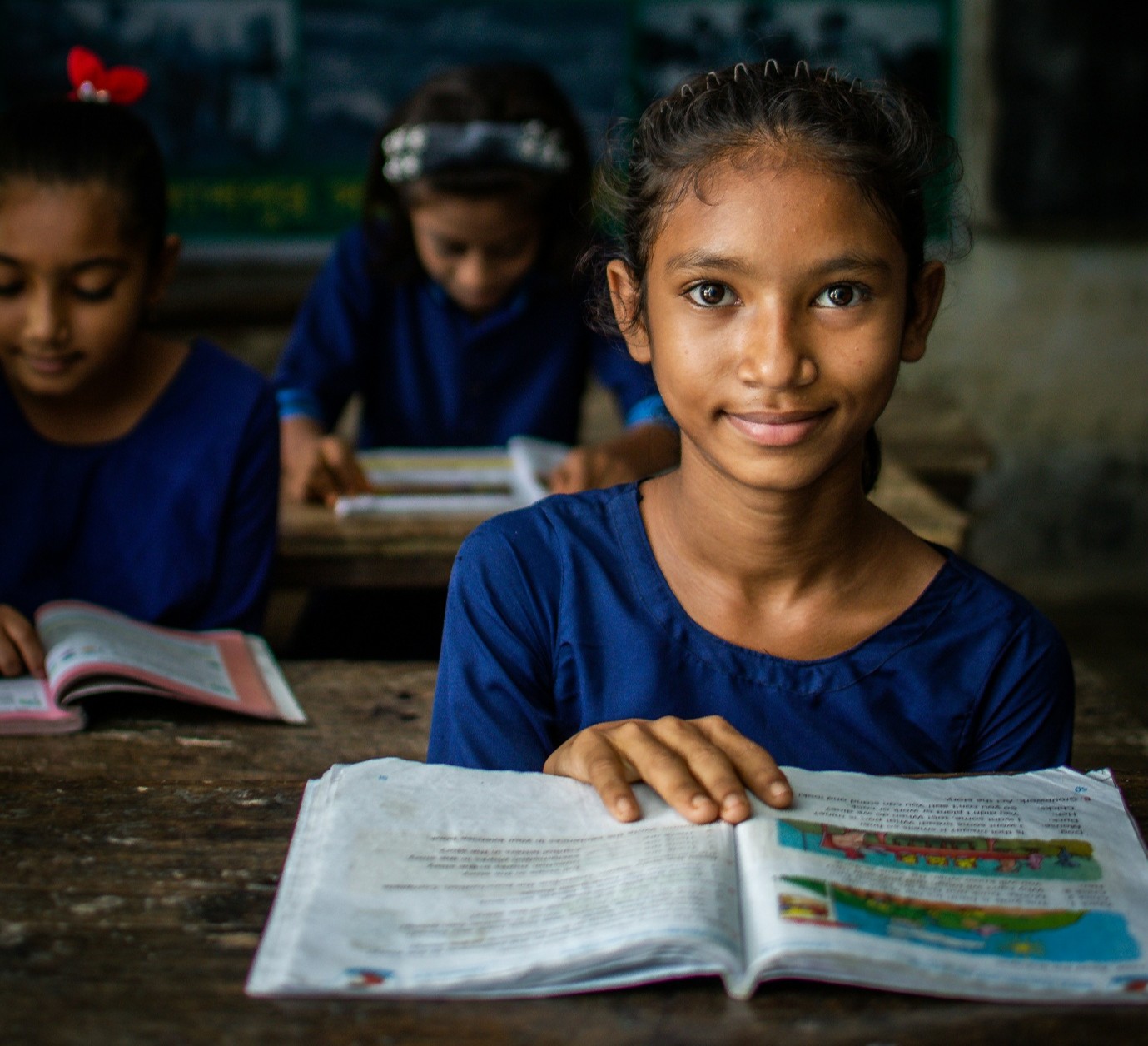
Reversing the current decline in girls' education will require more than renewed funding. It will require a new narrative capable of realigning financial, symbolic and discursive forces to today's political and funding environment.
Language is one starting point. If the term ‘girls' education’ now invites a literal interpretation that obscures its original purpose, then using ‘disadvantaged girls’, ‘marginalised girls’ or the broader framing of ‘gender equality in and through education’ may better communicate the underlying objective. The goal is not to defend a label but to preserve the rationale it was intended to convey.
Equally important is recognising why asking "What about the boys?" has become more common. This question often reflects comparisons based on aggregate statistics, which can obscure inequalities within disadvantaged communities. Rather than using aggregate data in isolation, comparisons should also consider the conditions that shape learning: power, respect, resources and safety. The relevant question is whether girls and boys from the same family enjoy these in equal measure.
Different audiences also require different arguments. For donors and policymakers, demonstrating how investments in disadvantaged girls advance broader priorities - economic, stability or otherwise - is likely to be more persuasive than equity arguments alone. Moreover, within priorities like Foundational Learning, improving outcomes for the lowest-performing learners is one of the most effective ways to raise overall outcomes. As marginalised girls are often amongst those furthest behind, they represent some of the greatest potential for learning gains.
The same logic applies to implementation. Supporting disadvantaged girls should strengthen, not sit alongside, existing programmes. Addressing gender-related barriers requires not new resources but intentional adaptation - and in a constrained funding environment, demonstrating that such adaptations improve learning, equity, and value for money is likely to be the strongest case.
These arguments reflect a changing political context rather than a departure from the original ambition. The question is not whether girls' education can return to the agenda in its previous form, but whether a new coalition and narrative can realign financial, symbolic and discursive support swiftly, before another generation of disadvantaged girls is left behind.
This blog was originally published here by Level the Field.