Re-conceptualizing Teacher Education in Ethiopia: Addressing the Demands of EiE
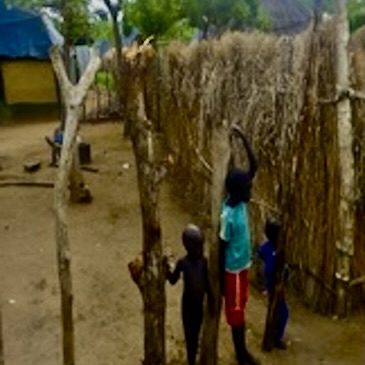 Natural and human-caused crises, such as drought and conflicts, have created humanitarian catastrophes in Ethiopia, affecting millions of people in various parts of the country. Added to this, Ethiopia is currently hosting 823,000 refugees, mainly from neighboring countries, in 24 refugee camps. This has led to a massive number of individuals relying on emergency humanitarian aid, with children and women being most impacted.
Reports indicate that these children suffer from traumatic experiences, including separation from parents or the usual caregiver, extreme pain and illness, hunger and thirst, forced recruitment for military service, gender and sexual violence, and witnessing the execution of people, particularly loved ones. These children are also losing access to their education.
Education has immense benefits in facilitating the rehabilitation of children living in crises, reviving their hope, and reconstructing the deconstructed social makeup. Obtaining these benefits depends on the speed and quality of the education provided during an emergency. In particular, the support that comes from teachers plays a vital role in facilitating recovery from traumatic experiences.
In response, promising attempts are being made to ensure the accessibility of education in emergencies (EiE) in Ethiopia. The commitment of the Ethiopian government to guarantee access to quality education for children in crisis is potentially reflected in a newly adopted refugee proclamation. The proclamation indicates that every recognized refugee or asylum-seeker has the right to receive the same treatment as Ethiopian nationals in accessing pre-primary and primary education.
As such, the Federal Ministry of Education, in collaboration with partners, is making good progress in improving the quality of education for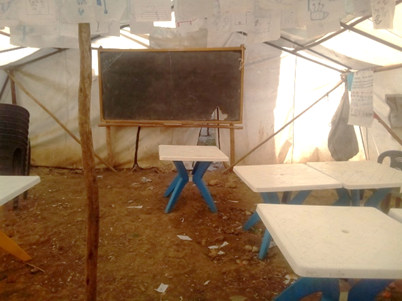 those affected by crises. Additionally, the Ethiopia Education Cluster has done a lot of promising work to improve the status of education for children in crisis.
However, reports emphasize that teachers are being left behind, particularly with regard to training for those teaching in IDP and refugee schools. Standard pre-service and in-service teacher education programs lack the focus on equipping teachers with the skills and knowledge required to effectively deliver quality EiE. This is evident in the overall focus of the curriculum and the content of the courses offered. Despite the welcome fact that the MoE recently introduced an initiative to build the capacity of more than fifty thousand teachers through summer training, the training lacks any focus on the specific challenges of teaching in crisis contexts.
Addressing this gap demands mainstreaming EiE in the preservice and in-service teacher education programs. This will be realized through curriculum development and revision to equip teachers with the skill, knowledge, and attitudinal change on crisis and trauma-responsive pedagogy, comprehensive caregiving, protection, and support, as well as curricular awareness of societies within Ethiopia and its neighboring countries. Additionally, widening platforms that embrace intercultural awareness, and integrating practicum experiences with emergency contexts are critical to enable candidate teachers to develop contextual awareness and make the necessary preparation for the challenges in the real world. Teacher education also needs to boost the resilience of candidate teachers and make them adaptive to changes and crises. EiE also needs to be integrated into continuous professional development platforms. The availability of resources and the commitment of stakeholders are the key factors that put the above aspects into effect. Hence, coordination between governmental and non-governmental institutions including the Ministry of Education and Universities is significantly important. The emphasis and monitoring activities made by the MoE contribute a lot to having efficient teachers who can successfully deliver education in an emergency context. Attaining these critically demands creating a fertile ground to effectively implement the INEE Minimum Standards for Education (INEE MS). This includes empowering candidate teachers to obtain the required skill, knowledge and attitudinal change that can enable them effectively put the Minimum standards into practice. Hence, mainstreaming the INEE MS into the teacher education curriculum and offering the required training for teacher educators on the INEE MS are vital.
The gap in pre- and in-service training offered to teachers needs to be urgently addressed if Ethiopia is to ensure safe learning spaces and a resilient education system, especially for those in crisis contexts. The peace of the nation and hope of millions depend on it.
About the Author
Eyueil Abate is an Assistant Professor at Kotebe University of Education and he is the head of the Department of Curriculum and Instructional Science. He is also the regional director of the Global Childhood Network, Co-chair of the INEE Inclusive Education Working Group and the INEE Country Focal Point for Ethiopia.