


Inclusion as the Foundation: Making EiE better for all learners
Today (Dec 3rd) is the International Day of Persons with Disabilities (IDPD). When the rights and dignity of the most vulnerable are at risk, we must reaffirm that inclusive education in emergencies is not optional — it is a right for every child, adolescent, and youth.
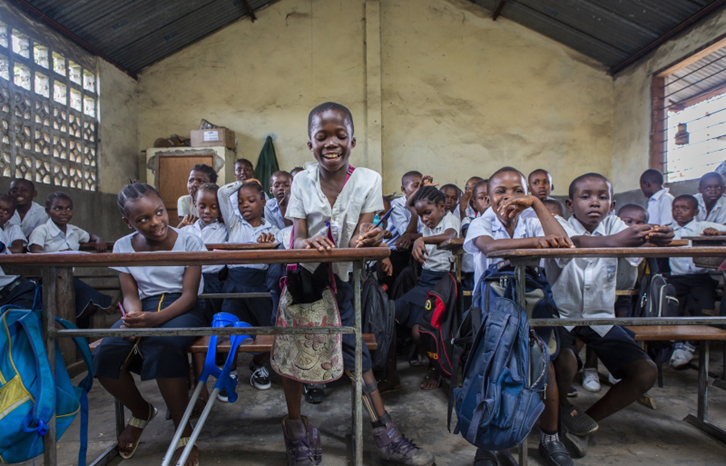
Over the past decade, Education in Emergencies (EiE) actors have made some progress on inclusion. This represents a shift from a time when disability was often overlooked to a context where it is now increasingly integrated into all phases of the project cycle.
Children and youth with disabilities are too often viewed as a ‘minority group’ requiring special, targeted funding, an assumption that reinforces the perception that inclusion means spending disproportionate resources on a small number of learners. Yet global estimates show that nearly 240 million children worldwide have some form of disability, highlighting that they are far from a minority. In reality, they are among the most marginalized learners in emergency contexts. Children and youth in these settings face diverse learning barriers, affecting those with existing needs as well as those whose disabilities develop during crises. In addition to children and youths with long-term physical, sensory, or intellectual disabilities, many children and youths in emergencies also experience psychosocial impacts, trauma, disrupted development, or challenges with learning, memory, and executive functioning. Conflict, displacement, natural disasters, and health crises often amplify existing barriers: schools may be inaccessible, specialized support disrupted, assistive devices lost, and stigma or neglect can limit participation.
These varied needs place significant demands on teachers, who often lack the training, methodologies, tools, and support required to create inclusive learning environments in the midst of crisis. Additionally, many teachers themselves may acquire disabilities as a result of conflict, displacement, or trauma compounding the challenges to inclusive education.
Inclusive education in emergencies is not a niche or minority concern: it is foundational to building resilient, equitable education systems that serve all learners.
Recent education sector guidance sets the right direction on inclusive education including clarifying concepts, language, and principles for disability-inclusive EiE, but financing, data, and common understandings still lag. Inclusion is still driven by short-term projects rather than embedded systematically across the sector, demonstrated by volatility in funding.
The lack of reliable, disaggregated data further impedes the development, implementation, and evaluation of policies and programmes that could improve the lives of children and youths with disabilities. Many education and protection data systems do not capture reliable information on children and youths with disabilities, limiting the ability of governments and humanitarian actors to identify, plan for, and support the pressing needs of learners in emergencies. In addition, cultural barriers and entrenched stigma remain, compounded by limited understanding of the full spectrum of disability, i.e. encompassing physical, sensory, intellectual, psychosocial, and social dimensions, that can affect learners during crises.
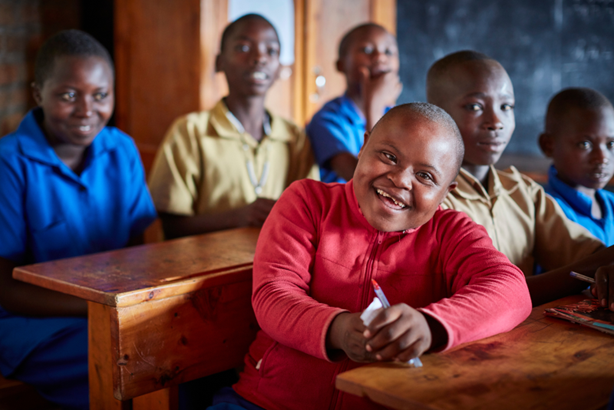
While the EiE community has progressed in valuing disability inclusion, we have not yet treated it as a non-negotiable, cross-cutting priority fully integrated into policy, funding, and programming. Every emergency education response should be designed from the outset for the full spectrum of learners it serves.
Even in resource-constrained settings, inclusive education can—and should—be built into core EiE practice. Children and youths affected by emergencies may have pre-existing disabilities which are then exacerbated, or develop new or invisible disabilities due to conflict, trauma, injury, or displacement. Planning for this full spectrum strengthens the system for everyone:
- Prioritize the perspectives of children and youths with disabilities in design and ongoing adaptation: To meaningfully practice inclusion, we must begin by centering the lived experiences and priorities of affected populations—especially children and youths with disabilities. Identifying the needs of learners, teachers, and community members requires their direct participation, not only in the initial design of EiE interventions but also through ongoing qualitative feedback and accessible complaints mechanisms.
- Strengthen teaching and support for diverse needs: Teachers need practical tools, training, and ongoing support to work effectively with learners with a wide range of disabilities, from long-standing impairments to psychosocial and cognitive challenges that arise during crises.Inclusive pedagogy helps teachers support learners with diverse needs adequately, s improve learning for all students and enable teachers with disabilities to work effectively and receive the support they need.
- More responsive environments: Low-cost physical and social adaptations can benefit children and youths with or without disabilities, and teachers with a wide range of abilities, and can create an enabling environment for everyone. For example, providing learning materials in multiple formats (visual, auditory, tactile) doesn’t just help children with mobility challenges or learning differences—it allows all learners to choose the way they engage most effectively with the lesson.
- Smarter data systems for targeting support: Disability-disaggregated data enables visibility of needs for both students and educators, including those with conflict-acquired psychosocial or cognitive disabilities. This allows for advocacy and funding to be adequately focused.
- Stronger caregiver engagement: Connecting with caregivers reveals early signs of disability—visible or invisible—and identifies support needs among parents, including those coping with conflict-related injuries or trauma. Engagement with caregivers allows for continuity between inclusive practices at school and at home.
- Resilient policies and planning: Designing programs for the full range of disabilities makes education systems more adaptive, more equitable, and better prepared for prolonged crises. This includes emergency preparedness, response, and recovery.
- Partnership with Organizations of Persons with Disabilities (OPDs): Collaborating with OPDs is essential for understanding the needs of children, adolescents, youth, and their communities, ensuring faster and more effective responses in emergencies, and strengthening the sustainability of our projects. In crisis situations, when timely action and reaching the most vulnerable is critical, OPDs’ expertise and guidance should lead the intervention. Their involvement not only improves the quality and relevance of our response but also helps ensure long-term, sustainable impact.
- Holistic & multi-sectoral approaches: Crises often worsen the situation for children and youths with disabilities, limiting their access to basic rights and services and increasing their exposure to risks. To effectively support them, we must adopt a holistic approach that considers all aspects of their well-being. This requires coordinated, multi-sectoral collaboration with a range of stakeholders to ensure that their diverse needs are met comprehensively and effectively.
- Positive norms: Stigma surrounding CAY with disabilities often prevents them from accessing their rights and essential services. Our efforts should prioritize reducing this stigma and fostering positive societal norms that support inclusion, equal opportunities, and empowerment for CAY with disabilities.
Inclusive education is not optional—it is a right and a foundation for resilient, equitable education systems, ensuring every child and youth and teacher can access, participate, and thrive, while helping schools and communities recover and flourish
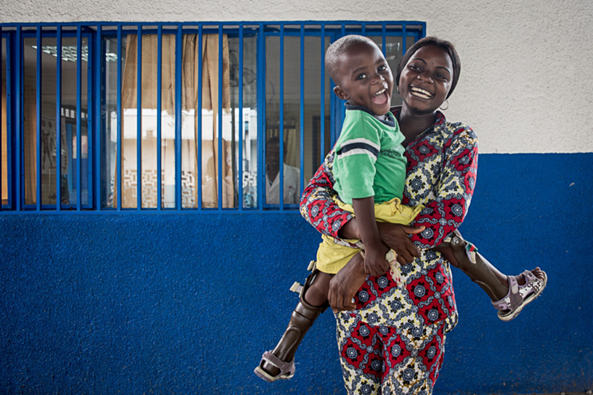
About the Authors
 Vongaishe Changamire: Vongaishe is an Education Technical Specialist at World Vision Canada, where she provides vital technical advice and direction in education supporting 11 countries in Latin America and East Africa Regions. These programs encompass a range of areas, including youth empowerment, education in emergencies, and skills development projects. Vongaishe holds an Ed.D in Social Justice Education from the University of Toronto.
 Yazgülü Sezgin: Yazgülü Sezgin is the Global Gender Equality and Social Inclusion Specialist at Right To Play and a PhD candidate at the Balsillie School of International Affairs. She focuses on migration, refugee protection, and gender equality, developing inclusive programs for girls and children with disabilities. Previously, she worked with UNHCR in Turkey on preventing SGBV, child marriage, and child labor, with field experience across the MENA region.
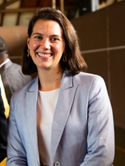 Tamara Jacod: Tamara Jacod is a Global Technical Specialist and Policy and Development Lead in inclusive education at Humanity & Inclusion | Handicap International. She is currently working to advance disability-inclusive approaches in education programming in Latin America, North and East Africa.
 Myuri Komaragiri : Myuri is the Global Education in Emergencies Specialist at Right To Play and a PhD student at the Ontario Institute for Studies in Education (OISE), University of Toronto. Her work focuses on advancing quality education and psychosocial well-being for children in crisis and conflict settings.